Martha Meldonia "Mellie" Cochran (Reference to parents in 1900 and 1910 Federal Census)
BIRTH OCT 1883 • Georgia, USA
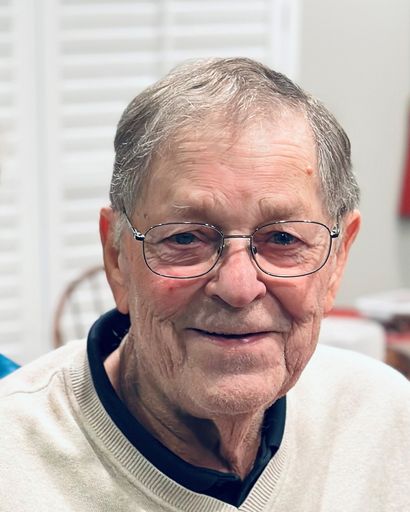
DEATH 29 MAY 1960 • Gainesville, Hall Co., GA, Georgia, USA This is my grandma Dunagan.
&
William Andrew Dunagan (Parents identified in death certificate and Find a Grave)
BIRTH 11 JUNE 1880 • Gainesville, Hall Co., GA, Georgia, USA
DEATH 22 MAY 1939 • Gainesville, Hall Co., GA, Georgia, USA Children: George J., William M., Mary Lucille, Dempsey Dunagan. My grandfather Dunagan who I was named after.
Mary Adeline "Mollie" Couch (Link to parents in Find a Grave and mother shown in 1870 Federal Census)
BIRTH 18 APRIL 1859 • Hall County, Georgia USA
DEATH 17 APRIL 1943 • Hall, Georgia
&
George Washington Cochran (Parents shown in death certificate and Find a Grave)
BIRTH 28 JANUARY 1858 • Hall County, Georgia, United States of America
DEATH 18 JANUARY 1929 • Hall County, Georgia, United States of America
Nancy Ann Boon / Boone (Death certificate & Find a Grave text/links show parents)
BIRTH 26 MARCH 1833 • Forsyth County, Georgia
DEATH 20 FEBRUARY 1919 • Gainesville, Hall, Georgia, USA
&
William Davis Couch (Reference to parents in Find a Grave and 1850 Federal Census)
BIRTH 12 JANUARY 1829 • Hall County, Georgia, USA
DEATH 16 NOV 1864 • Northern Prison Camp, Elmira, New York(buried)
(Pvt Confederate States Army)
Ratliff H Boon (See Wikitree / careful to follow line down from Thomas Boon (1648 - 1723) to son Joseph / FAG shows parents)
BIRTH 17 FEBRUARY 1795 • South Carolina, United States
DEATH 27 NOVEMBER 1882 • Dawson County, Georgia, USA / possibly died in Hall County and buried in Dawson
&
Margaret Agnes Reece (See Wikitree - various references to connect to Ratliff / see gallery story for parents)
BIRTH 17 JUNE 1799 • South Carolina, USA
DEATH 7 JUNE 1866 • Danielsville, Madison, Georgia, United States
Nancy Harris (See Wikitree / listed by name in fathers will as Nancy Boon)
BIRTH 12 NOV 1763 • Albermarle County, North Carolina Colony
DEATH MAR 1822 • Pendleton, Anderson, South Carolina, United States
&
Ratliff Boon Jr. (See Wikitree / is listed in father’s will)
BIRTH ABOUT 1755 • Northampton County, North Carolina , Colonial America
DEATH 1815 • Pendleton District, South Carolina, USA
Robert Overton Harris Jr., Capt (See Wikitree - Listed by name in his father’s Will)
BIRTH 8 MAR 1741 • St Martins Parish, Hanover, Virginia
DEATH NOV 1809 • Surry County, North Carolina, USA
(Captain in the Virginia militia during the 1776-1778 campaigns in the American Revolutionary War)
&
Lucretia Brown (See Wikitree / various records, like SAR document, linking to husband / sources found in Ancestry for parents shown in gallery)
BIRTH 1746 • Louisa County, Virginia Colony
DEATH JUN 1806 • Salisbury, Surry County, North Carolina, USA
Robert Overton Harris Major (See Wikitree - reference to parents in various sources in this profile)
BIRTH 1 JUL 1696 • St. Peters Parish, New Kent County, Colony of Virginia
DEATH 8 AUG 1765 • Brown's Cove, Albemarle County, Colony of Virginia
&
Mourning Glenn (See Wikitree / many sources connect to husband and children but her parents seem unclear when looking at various sources)
BIRTH 3 MAR 1702 • New Kent County, Colony of Virginia
DEATH AFTER 8 MAY 1775 • Brown's Cove, Will Parish, Albemarle County, Virginia
William, "Claiborne, Ned" Harris Sr., Colonel (See Wikitree / parents identified in Find a Grave and various other sources)
BIRTH ABOUT 1669 • New Kent, Virginia Colony
DEATH ABOUT 1730 • Cedar Hill, Frederick, Virginia Colony
&
Temperance Overton (See Wikitree / parents identified in Find a Grave and various other sources in this profile)
BIRTH 2 MAR 1679 • The Forks, New Kent County, Colony of Virginia
DEATH 19 FEB 1716 • Cedar Hill, New Kent County, Colony of Virginia
Robert Harris (See Wikitree - changed birth info per FAG / parents identified via links in Find a Grave and other sources in this profile)
BIRTH ABOUT 1635 • Henrico County, Virginia
DEATH 1701 • New Kent County, Colony of Virginia
&
* Mary Elizabeth Claiborne (See Wikitree - debate on her identity / birth name / parents unknown)
BIRTH BEFORE 1635 • Charles River Shire, Colony of Virginia
DEATH 9 FEB 1710 • Glen Cairn, Doswell, New Kent, Virginia
William Harris IV, Qualifying Ancestor of the Jamestowne Society (See Wikitree / parents in Find a Grave)
BIRTH ABOUT 1596 • Willingale Doe, Essex, England
DEATH ABOUT 1656 • Jamestown, James City County, Colony of Virginia
&
Ellen Burrows (See Wikitree - father’s profile says she is daughter and text in gallery says her full name as possible wife)
BIRTH ABOUT 1599 • London, Middlesex, England
DEATH 11 SEP 1670 • Jamestown, James City, Colony of Virginia
William Harris (See Wikitree / parents identified in Find a Grave)
BIRTH ABOUT 1545 • Willingale Doe, Essex, England
DEATH AFTER 1601 • Possibly Jamestown, James City, Virginia Colony
&
* Joan Hardings (See Wikitree / various references to her as wife of William, along with her family name, but no parents)
BIRTH ABOUT 1560 • Essex, England
DEATH 1615 • Willingale Doe, Essex, England
William Harris (See Wikitree / parents identified in Find a Grave)
BIRTH ABOUT 1522 • Southminster, Essex, England
DEATH ABOUT 1559 • Maldon, Essex, England
&
* Jane Semer (See Wikitree / various references to her as wife of William, along with her family name, but no parents)
BIRTH 1519 • Bocking, Essex, England
DEATH 1600 • Burnham, Essex, England
William Harris Esq (See Wikitree / see sources in gallery - probable good connection to named father but further connections are suspect)
BIRTH ABOUT 1502 • Essex, England
DEATH 21 SEP 1556 • Southminster, Essex, England
&
Johanna Smythe (See Wikitree - see reference to father in link shown in this profile)
BIRTH ABOUT 1500 • Cold Norton, Essex, England
DEATH ABOUT 1535 • Essex, England
* John Harris, "of Prittlewell" (See Wikitree / various sources talk about possible parents but are at least somewhat uncertain)
1480–1520
BIRTH ABOUT 1480 • Prittlewell, Essex, England
DEATH BEFORE 6 JUL 1520 • Essex, England
&
Wife unknown
John Harris, of Prittlewell, was born just before the end of the Medieval Period in England (1485). This was during the reign of Edward IV, before the Tudor era; even before Henry VIII was born. This time was also before the first voyage of Christopher Columbus in 1492.